
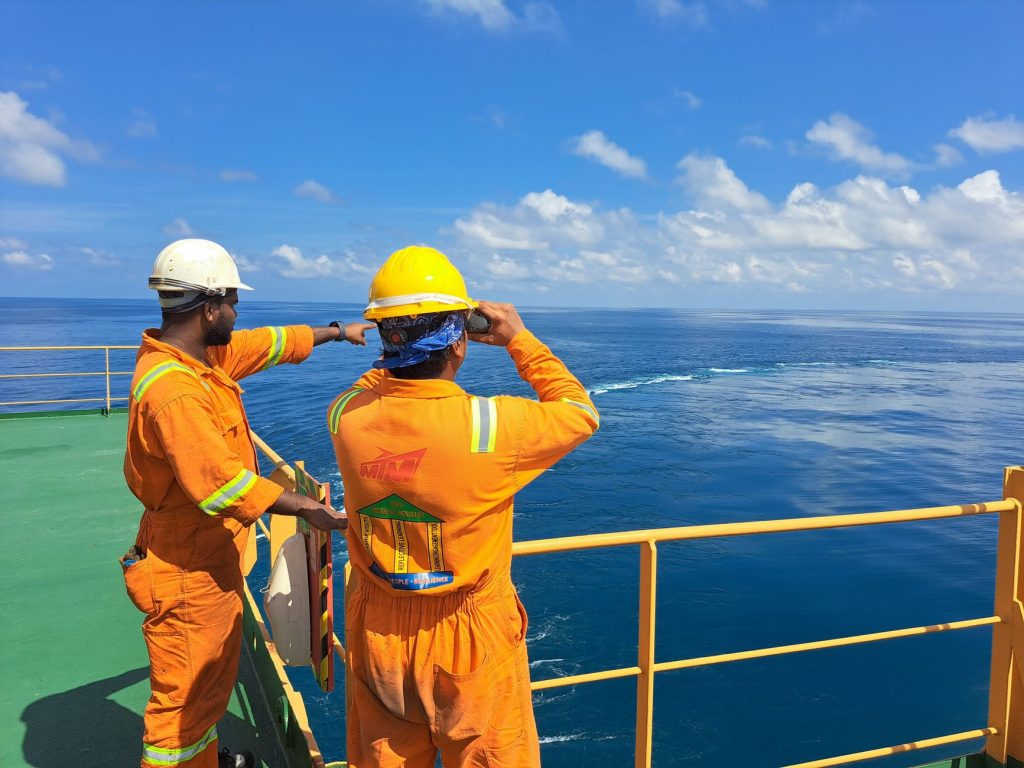
Across upstream and oilfield services, the same pattern shows up in incident data year after year. Workers with less than a year on the job account for a share of recordable injuries far larger than their share of the workforce. The industry calls them short-service employees, or SSEs, and the risk they carry is not about attitude or effort. It is about exposure to hazards they have not yet learned to read.
Why new workers get hurt more often
A seasoned hand walks onto a location and reads it without thinking. They notice the pinch point on the tongs, the line that has not been bled off, the truck backing up without a spotter. A new worker sees the same location and processes almost none of it. The hazards are there, but the pattern recognition that keeps veterans safe takes months, sometimes years, to build.
Turnover makes this worse. When crews churn, the average experience level on a site drops and more people end up working inside that dangerous first-year window. A downturn followed by a fast ramp up can flood locations with new hands all at once, which is exactly when incident rates tend to climb.
The onboarding gap
Most operators and service companies have an orientation. The problem is what happens after it. Orientation covers the badge, the site rules, and a stack of forms. It rarely confirms that a specific worker can actually perform a specific task safely. Someone can sit through a safety video on Monday and be sent to a job on Tuesday that the video never mentioned.
Three gaps show up again and again:
- Competency is assumed, not verified. A signature on an attendance sheet is not proof that someone understood hydrogen sulfide response or lockout procedures.
- Training is not matched to the task. General HSE content is useful, but a floorhand and a crane operator face different hazards and need different preparation.
- Records live in silos. The office knows who attended a class. The supervisor on location often does not, so the wrong person can end up on the wrong job.
What good looks like
Companies that keep their newest people safe tend to do a few things well. They mentor deliberately, pairing every short-service worker with an experienced one for a defined period rather than hoping it happens on its own. They mark new workers visibly, often with a different colored hard hat, so everyone on site knows to slow down and watch out. And they treat competency as something to confirm, not assume, checking that each worker can demonstrate the skills their role requires before turning them loose.
They also close the loop between the classroom and the field. Training only reduces risk if the supervisor assigning work can see, at a glance, who is qualified for what and who still has a gap to close.
Where EvoHSE fits
This is one reason we built the training side of EvoHSE around roles and records, not just course completions. Assign the right courses to the right crews, confirm people finished them, and give supervisors a clear view of who is qualified before work starts. When onboarding is tracked instead of assumed, that dangerous first year gets a lot safer.
